

What Are Polycarbonate Roof Screws?
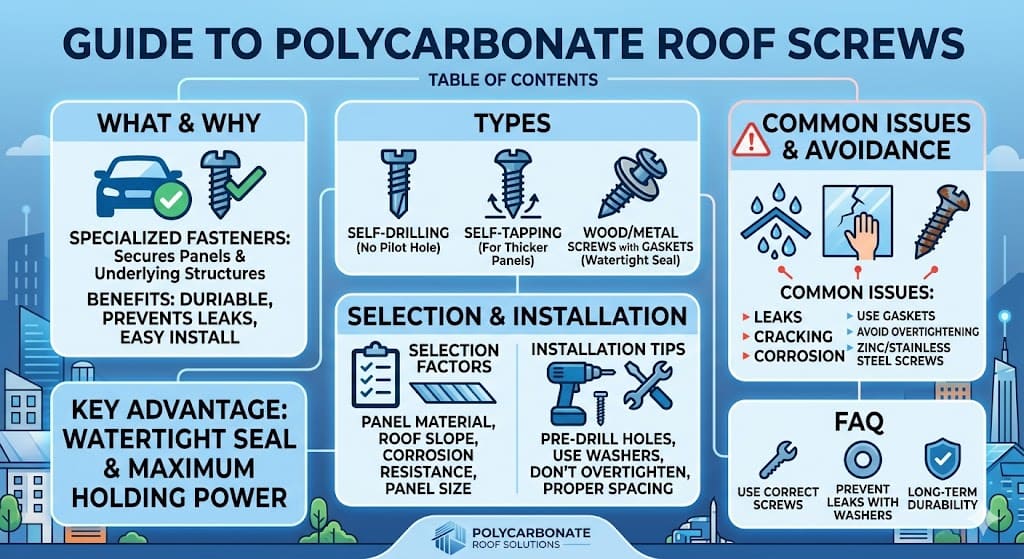
Polycarbonate roof screws are specialized fasteners designed to secure polycarbonate roofing panels to underlying structures. These screws have unique features that make them perfect for use with polycarbonate, a lightweight yet durable plastic material that is commonly used in construction for roofing, greenhouses, and skylights. Unlike regular roofing screws, polycarbonate roof screws are built to handle the specific demands of polycarbonate materials, ensuring long-term reliability and performance.
These screws are typically made from high-quality materials such as stainless steel or zinc-coated steel to prevent corrosion, especially in outdoor and humid environments. They often come with special washers or gaskets to provide a watertight seal and prevent leaks. Polycarbonate roof screws are engineered to provide maximum holding power while preventing damage to the polycarbonate sheets, ensuring that the roof remains securely in place for many years.
Why Use Polycarbonate Roof Screws?
Polycarbonate roofing offers numerous benefits, including excellent light transmission, UV resistance, and thermal insulation. However, securing polycarbonate roofing requires special screws that can withstand environmental stress while maintaining the integrity of the material. Polycarbonate roof screws are specifically designed for this purpose. Here are several reasons why they are used:
- 1. Enhanced Durability: Polycarbonate roof screws are built to resist corrosion, ensuring longevity even in harsh weather conditions.
- 2. Prevents Leaks: With the inclusion of specialized washers and gaskets, these screws ensure a watertight seal, preventing leaks that could compromise the roof’s integrity.
- 3. Easy Installation: These screws are designed to be easy to install, reducing labor time and ensuring a secure, tight fit.
- 4. Compatibility: Polycarbonate roof screws are specifically designed to be compatible with polycarbonate materials, providing a perfect fit and securing the panels effectively.
- 5. High Holding Power: Polycarbonate roof screws are made with high-quality materials that provide excellent holding power to keep the roofing panels securely in place.
Types of Polycarbonate Roof Screws
There are several types of polycarbonate roof screws available, each designed for specific applications and installation needs. The most common types include:
- 1. Self-Drilling Screws: These screws are designed with a pointed tip that allows them to drill into polycarbonate panels without the need for a pilot hole. They are quick to install and ideal for applications where speed is a priority.
- 2. Self-Tapping Screws: Self-tapping screws have a slightly different design, creating their own thread as they are driven into the material. They are ideal for thicker polycarbonate panels.
- 3. Wood or Metal Screws with Washers: These screws are used for attaching polycarbonate panels to wooden or metal frames. The large washer helps to distribute the pressure and prevent cracking of the polycarbonate.
- 4. Hex Head Screws: Hex head screws are perfect for applications requiring high torque, offering a secure grip and preventing the screw from loosening over time.
- 5. Zinc-Coated Screws: Zinc-coated polycarbonate screws are corrosion-resistant, making them ideal for use in outdoor and humid environments where rust can be a concern.
Choosing the Right Polycarbonate Roof Screws
When selecting polycarbonate roof screws, several factors need to be considered to ensure that the right screw is chosen for the job. The following factors should guide your decision-making process:
- 1. Material of the Roofing Panels: Choose screws that are specifically designed for polycarbonate roofing. Different materials may require different types of screws to ensure proper sealing and holding power.
- 2. Roof Type and Slope: The slope of the roof may determine whether self-drilling or self-tapping screws are more appropriate. A steeper roof may require screws that can withstand more stress.
- 3. Environmental Conditions: If the roof is exposed to harsh weather conditions, look for corrosion-resistant screws such as zinc-coated or stainless steel screws to ensure longevity.
- 4. Size of the Panels: Larger panels may require screws with more holding power, such as hex head screws, which provide greater torque.
- 5. Cost vs. Quality: While it might be tempting to opt for the cheapest option, it's important to remember that polycarbonate roof screws play a crucial role in maintaining the integrity of your roof. Choose quality over cost to avoid issues down the line.
Installation Tips and Best Practices
Proper installation of polycarbonate roof screws is essential to ensure the longevity and effectiveness of your roofing system. Here are some tips and best practices for installation:
- 1. Pre-Drill Holes for Accuracy: Even if you're using self-drilling or self-tapping screws, it's a good idea to pre-drill the holes. This ensures accuracy and prevents the polycarbonate from cracking during installation.
- 2. Use Washers to Prevent Damage: Always use washers to prevent pressure from damaging the polycarbonate sheets. The washers help distribute the pressure and reduce the risk of cracks.
- 3. Don’t Overtighten: While it’s important to drive the screws in tightly, overtightening can cause the polycarbonate to warp or crack. Use a drill with adjustable torque settings for optimal control.
- 4. Ensure Proper Spacing: Screws should be spaced evenly to provide uniform support across the roof. Follow manufacturer guidelines for the correct screw spacing to avoid overloading specific sections.
- 5. Seal the Screws: To prevent leaks, use silicone or rubber gaskets around the screws, especially in areas prone to water exposure.
Common Issues and How to Avoid Them
While polycarbonate roof screws are durable and reliable, improper installation or poor-quality screws can lead to issues. Here are some common problems and tips for avoiding them:
- 1. Leaks: Leaks are the most common issue and are often caused by improperly sealed screws. Always use washers and rubber gaskets to ensure a watertight seal.
- 2. Cracking: Over-tightening screws can cause the polycarbonate to crack. Ensure screws are tightened just enough to secure the panels without over-stressing them.
- 3. Corrosion: Corrosion can occur if screws made of low-quality materials are used, especially in humid or coastal areas. Always opt for corrosion-resistant screws, such as those coated with zinc or made from stainless steel.
- 4. Displacement: Poorly spaced screws can cause panels to shift over time. Make sure to follow spacing guidelines to ensure that the roof panels stay securely in place.
Frequently Asked Questions (FAQ)
Q1: Can I use regular screws for polycarbonate roofing?
No, it is recommended to use polycarbonate roof screws specifically designed for this purpose. Regular screws may not provide a proper seal and could damage the polycarbonate sheets.
Q2: How do I prevent leaks when using polycarbonate roof screws?
To prevent leaks, always use washers and rubber gaskets around the screws. This ensures a watertight seal and protects the roof from water damage.
Q3: What is the lifespan of polycarbonate roof screws?
Polycarbonate roof screws can last many years if installed correctly and if corrosion-resistant materials are used. The lifespan depends on environmental conditions, but they are generally designed for long-term durability.